


Intel's Xolo X900 by Lava hands-on (24 pics + video)
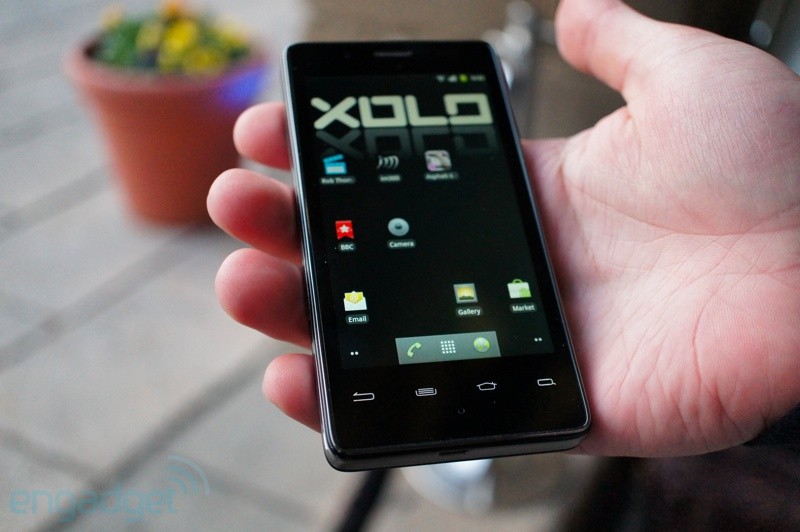
Intel's Medfield-based Android smartphones have been buzzed about for sometime now, but until this past CES, we hadn't actually seen one of these unicorns en vivo. No longer, as the chip manufacturer outed a trio of those very handsets today at its MWC event. Of particular note is the Xolo by Lava, a 4.03-inch, single-core unit running a mostly stock build of Gingerbread and destined for the Indian market. We spent time getting to know the device, so follow on past the break as we parse through its finer qualities.
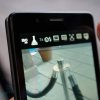
Before you even notice the Xolo's design, your eyes (should you be an Android purist) will be immediately struck by the stock Android 2.3 UI. Indeed, in this cluttered age of OEM skins, we're clearly unused to seeing the OS ushered in by the Nexus S. It's a refreshing change of step and one we heavily clamor for. Still, we understand that the mobile industry needs to keep pushing things forward and to Intel's credit, the Xolo has been running ICS just fine -- it's actually up to the OEMs to push that update when they're ready.
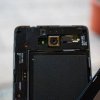
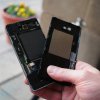
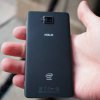
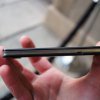
Belying its angular design is the device's surprising lightness and that's in part to the mix of materials at use. The back of the phone is a smooth, matte plastic case that peels away to reveal the 1,460mAh battery and microSD slot -- here loaded up with a 2GB card. That amount of juice may not seem like much, but according to the company's claims, it's rated to last up to 14 days on standby, six hours with continuous 1080p video viewing and eighth hours for talk. Wondering how the chipmaker engineered that feat? Thanks to a proprietary power management system that's integrated into the microprocessors, the phone is able to step down the use of its charge, essentially isolating processes and even going so far as entering a sleep state when the screen is powered off.
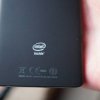
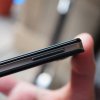
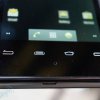
Let's get back to the build, though. On the front face, there's a chrome trim bordering the 1024 x 600 LCD display and a 3 megapixel camera residing up top, while four capacitive keys stretch across the base. A sleek power button is located up top, followed by a dedicated camera key (no double detente, here) sits on the lower right with volume controls occupying the opposite side. There's also ports for HDMI out and covered micro SIM slot along the edge. Around back, you'll find the usual Intel Inside logo reassuring consumers and accompanied by an 8 megapixel shooter with single LED flash above.
In regard to customizations, one area where Intel's really made some interesting tweaks to an otherwise plain affair is the camera app, itself. Using the company's burst shot mode, a series of ten successive pics can be snapped automatically at 15fps. Video playback is also refreshingly instantaneous, as a sample we watched not only loaded briskly, but required minimal buffer time when jumping back and forth to different timestamps.
The Medfield Z2460 CPU, clocked at 1.6GHz, is admittedly only single-core, but, regardless, performance continues to keep pace with finger swipes, loading applications fluidly, if not always speedily. For what it's worth, Intel is prepared to offer a higher 2GHz version of the chip, but again, the decision to ship with that onboard lies with the OEMs. You can really see the company's baby work its magic when games, bolstered by the 400MHz GPU, load up on the device. In the snowboarding demo we witnessed, frame rate ranged between 60 to 80fps.
As it stands, you'll have to make a trip to India to snag this handset when it launches in Q2 of this year on Aircel and Airtel. In the meantime, let's hope that Intel's along with a willing OEM are cooking something up for us statesiders.
Галерея: Intel's Xolo X900 by Lava hands-on (24 pics + video)












Source: engadget